Hiring in 2026 is moving faster than the old resume-first process can comfortably keep up. The market is changing, roles are evolving, and employers are under pressure to find people who can contribute now, not just impress on paper.
The World Economic Forum reports that 39% of key skills in the job market will change by 2030, SHRM found that 28% of organizations needed candidates with new skills to fill full-time roles, and LinkedIn estimates a skills-based hiring approach could expand talent pools by 6.1x globally.
That is why the hiring conversation is shifting. The résumé is no longer the full story. In many cases, it is becoming only the starting point.
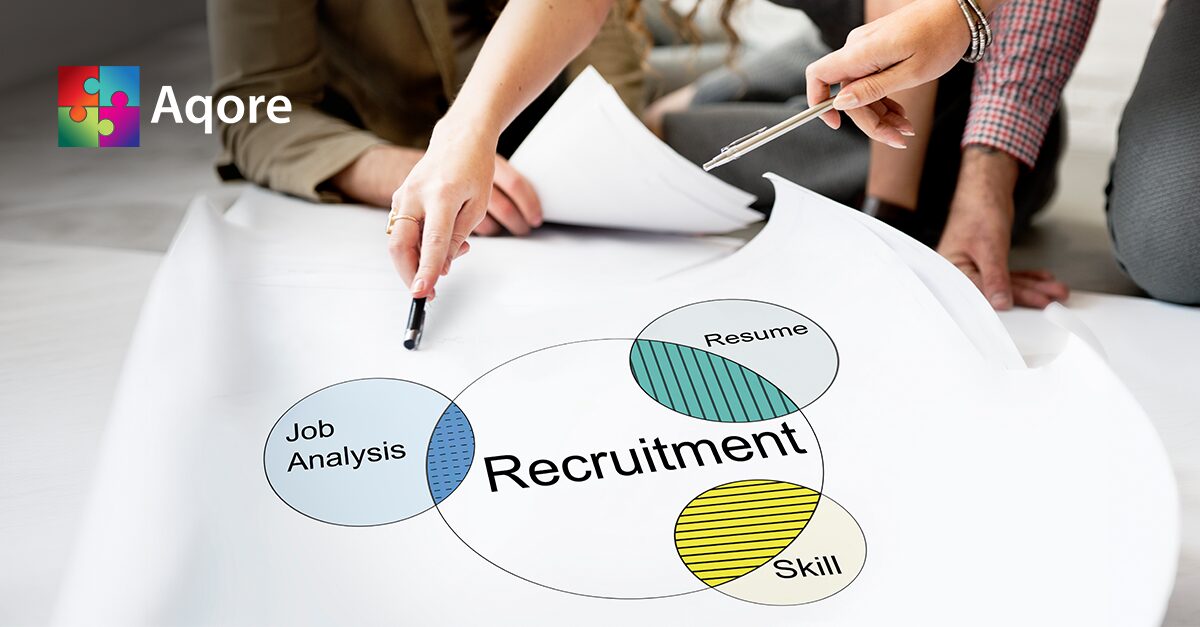
For years, resume acted as the main filter in hiring. Education, job titles, and company names were used as shortcuts to judge potential. But in a market shaped by AI, automation, changing job requirements, and persistent skills gaps, those shortcuts can miss great talent.
A resume can tell you where someone has worked. It cannot always tell you how well they solve problems, how quickly they learn, or whether they can perform in a real-world work environment. That is why more employers are shifting toward practical evaluation methods such as assessments, work samples, portfolios, and structured interviews.
Skills-based hiring is the practice of evaluating candidates based on what they can actually do, rather than relying heavily on degrees, pedigree, or past job titles.
In practice, that means looking at:
The core question changes from “Where did this person work?” to “Can this person do the job well?” That simple shift creates a much smarter hiring model.
This is not a passing trend. It is a response to how work is changing.
LinkedIn says skills-based hiring is gaining momentum as employers try to close skills gaps, including the need for AI-related skills. Meanwhile, SHRM reports that more than three-quarters of organizations that needed new skills for full-time roles had difficulty finding qualified candidates.
For staffing and recruiting teams, that means the old way of screening is becoming too narrow. When hiring teams depend too much on job history, they may overlook candidates who are fully capable but nontraditional in background.
One of the strongest advantages of skills-based hiring is reach. When employers stop filtering too early by degree or title, they open the door to more candidates who can actually perform the work.
That includes:
This matters especially in staffing, where speed and fit both matters. A broader talent pool means recruiters can source faster, match more accurately, and reduce the risk of losing strong candidates because of outdated screening rules.
It also supports more inclusive hiring. When skills carry more weight than pedigrees, more people get a fair shot at competing for the same role.
For candidates, this shift is actually good news. They no longer need to depend only on a polished resume to prove their value.
Today, a candidate can stand out through:
That makes the hiring process more practical and more merit-based. It also gives recruiters better signals to work with.
Employers are not embracing skills-based hiring just because it sounds modern. They are doing it because it solves real business problems.
It improves hiring quality by focusing on capability instead of assumptions. It can reduce time-to-hire by making evaluation more direct. It supports retention because better role fit usually leads to better long-term performance. And it improves workforce agility, which matters in a labor market where skills are changing fast.
For staffing organizations, this is especially important. Better hiring decisions lead to stronger placements, better client satisfaction, and more efficient recruiting workflows.
Not exactly!
The resume still has value, but its role has changed. It is now a supporting document, not the final word. It can provide context, but it should not be the only signal used to decide whether someone is worth considering.
In 2026, the resume is becoming a reference point. Skills are becoming the proof.
Skills-based hiring is reshaping how modern teams find talent. As skills needs change faster and employers face ongoing talent shortages, hiring based on capability gives companies a more accurate, flexible, and scalable way to build teams. The data points in the same direction: skills are changing, roles are changing, and the hiring process has to change with them.
The real story is not the death of the résumé. It is the rise of a better way to hire.
If your staffing team is still relying too heavily on resumes, it may be time to modernize your hiring process.
With the right staffing technology, you can screen faster, evaluate skills more effectively, and build stronger candidate matches from the start.
Explore how a smarter recruiting workflow can help your team move beyond outdated filters and hire with more confidence in 2026.