As we move into 2025, having a clear Talent Acquisition strategy is no longer optional, it’s a necessity. With increasing competition for skilled professionals, businesses must take a strategic approach to attracting, hiring, and retaining top talent.
A well-structured talent acquisition plan enhances workforce planning efforts and ensures seamless integration of Customer Relationship Management (CRM) for recruitment
In this article, we will explore the full-funnel approach to talent acquisition, the key elements of an effective strategy and the top companies’ implementation process.
A talent acquisition strategy is a well-structured plan that helps a company find, attract, and retain the right employees. It involves various processes and initiatives that ensure hiring efforts align with the organization’s business goals, improving workforce effectiveness and long-term success.
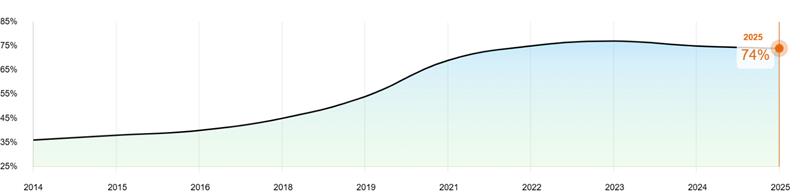
Looking at today’s competitive job market, organizations face significant challenges in attracting and retaining top talent. Recent data indicates that 74% of employers globally struggle to fill roles, marking a 15-year high in talent shortages. With 97 million new jobs expected to be created in the next three years, having a strong talent acquisition strategy is more important than ever.
Source: Global Talent Shortage 2025
A talent acquisition strategy helps companies attract top talent using effective recruitment processes and technologies. It strengthens employer branding, improves CRM, and promotes diversity.
By adapting to industry trends, businesses can keep hiring competitive and resilient talent, prevent skill gaps, and build a strong workforce for long-term success.
A strong talent acquisition strategy plays a key role in:
Developing an effective talent acquisition strategy is essential for staffing agencies aiming to attract, engage, and retain top-tier talent. Below are actionable steps tailored to align with business goals and optimize recruitment processes:
Begin by understanding your organization’s short- and long-term objectives. Conduct workforce planning to identify the skills and roles needed to achieve these goals. Perform a gap analysis to assess current workforce capabilities versus future requirements. This ensures that hiring efforts are targeted at filling critical skill gaps.
Your employer brand reflects your company’s culture, values, and employee experience. A strong brand attracts candidates who align with your mission. Highlight unique aspects of your workplace, such as competitive benefits, career growth opportunities, and inclusivity. Promote these through your website, social media, and job postings. Engage current employees as brand ambassadors by encouraging referrals and showcasing their success stories.
Invest in recruitment software, such as applicant tracking systems (ATS), to streamline hiring processes, from sourcing candidates to onboarding. Use data-driven insights to identify the most effective sourcing channels, improve job descriptions, and optimize the candidate experience. Implement tools for skills assessments and predictive analytics to ensure high-quality hires.
Proactively build a pool of qualified candidates for future roles. Engage with potential hires through networking events, social media, or industry-specific gatherings. Maintain relationships with passive candidates by offering valuable content or updates about your company’s growth. For specialized roles, explore non-traditional sources such as hackathons or university partnerships.
Standardize core processes such as screening, interviewing, and feedback collection to ensure efficiency and consistency. Use structured interviews and competency-based assessments to evaluate technical skills and cultural fit. Offer flexibility in remote or hybrid work arrangements to widen your talent pool5.
Provide clear communication throughout the hiring process to build trust with candidates. Simplify application procedures and reduce unnecessary steps that may deter applicants. Collect feedback from candidates post-interview to continuously improve the recruitment experience.
Develop a comprehensive onboarding program that sets new hires up for success from day one. Offer opportunities for professional development, mentorship programs, and regular check-ins to foster employee engagement and retention.
By concentrating on these processes, businesses can create a strong talent acquisition approach that attracts, engages, and keeps top applicants.
Assess present and prospective workforce requirements to connect talent acquisition with company goals.
Build a great employer brand by sharing stories about company culture and values and using social media to interact with potential candidates.
Use a variety of channels, including job boards, social media, and employee recommendations, to find and recruit competent people.
To streamline the hiring process, use recruiting technologies such as AI-driven tools and applicant tracking systems (ATS).
Create successful onboarding programs to seamlessly integrate new hires, increasing retention and productivity.
Use data analytics to evaluate recruiting metrics, refine strategies, and connect hiring data to business outcomes.
Aqore, a leading staffing software solution, has developed a comprehensive talent acquisition strategy that effectively meets client requirements. By adopting a proactive approach, Aqore ensures the attraction and retention of top talent in a competitive market.
Aqore Staffing Software empowers staffing agencies with real-time analytics and reporting dashboards, providing deep insights into hiring trends, recruiter performance, and candidate success rates. With AI-powered analytics, agencies can identify the most effective sourcing channels, track job fill times and optimize workforce planning. Automated reports highlight key metrics, helping recruiters refine strategies, improve efficiency, and make smarter hiring decisions.
Aqore’s seamless integration with leading job boards and recruitment platforms helps staffing agencies connect with top talent faster. By integrating with the leading job board platform like Indeed, agencies can reach millions of candidates across various industries and skill sets, making it easier to find the right talent quickly.
Additionally, Aqore’s integration with Tatio enhances sourcing with AI-driven candidate matching and recruitment analytics, ensuring a more precise fit for job roles while also identifying passive candidates who may not be actively searching but have the right qualifications.
AI and automation are transforming talent acquisition by making hiring faster, smarter, and more efficient. Aqore’s integrated staffing solution streamlines recruitment by automating repetitive tasks, improving efficiency, and enhancing the candidate’s experience.
The AI Recruiting Chatbot handles pre-qualification of candidates, answers queries, and assists with job applications, ensuring seamless engagement. AI-Driven Candidate Matching uses advanced algorithms to connect candidates with the right job opportunities based on skills and experience.
With an Applicant Tracking System (ATS) that automates resume screening, candidate ranking, and job matching, recruiters can focus on the most qualified talent.
Additionally, CRM and sales tools enhance collaboration between sales and recruiting teams, making the entire hiring process more agile and effective.

A winning Talent Acquisition strategy blends technology, empathy, and agility. Instead of just filling open positions, focus on building a strong, forward-thinking team that drives long-term success. The right staffing software can streamline your hiring process, deliver valuable insights, and enhance overall efficiency.
Ready to transform your Talent Acquisition approach? Start by auditing your current strategy and integrating these data-backed steps!
Take the first step toward a smarter talent acquisition strategy today!